
What is Dry Mouth?

Dry Mouth, or Xerostomia, is a condition where the salivary glands don’t produce enough saliva to keep the mouth properly moist.

It affects up to 1 in 5 adults, yet many people don’t realize they have it or that it can be treated. Despite being relatively common, Dry Mouth often goes unnoticed until it starts interfering with daily life — from difficulty speaking to trouble swallowing or even a burning sensation in the mouth.

What Causes Dry Mouth?

Dry Mouth can be caused by a variety of factors, including:
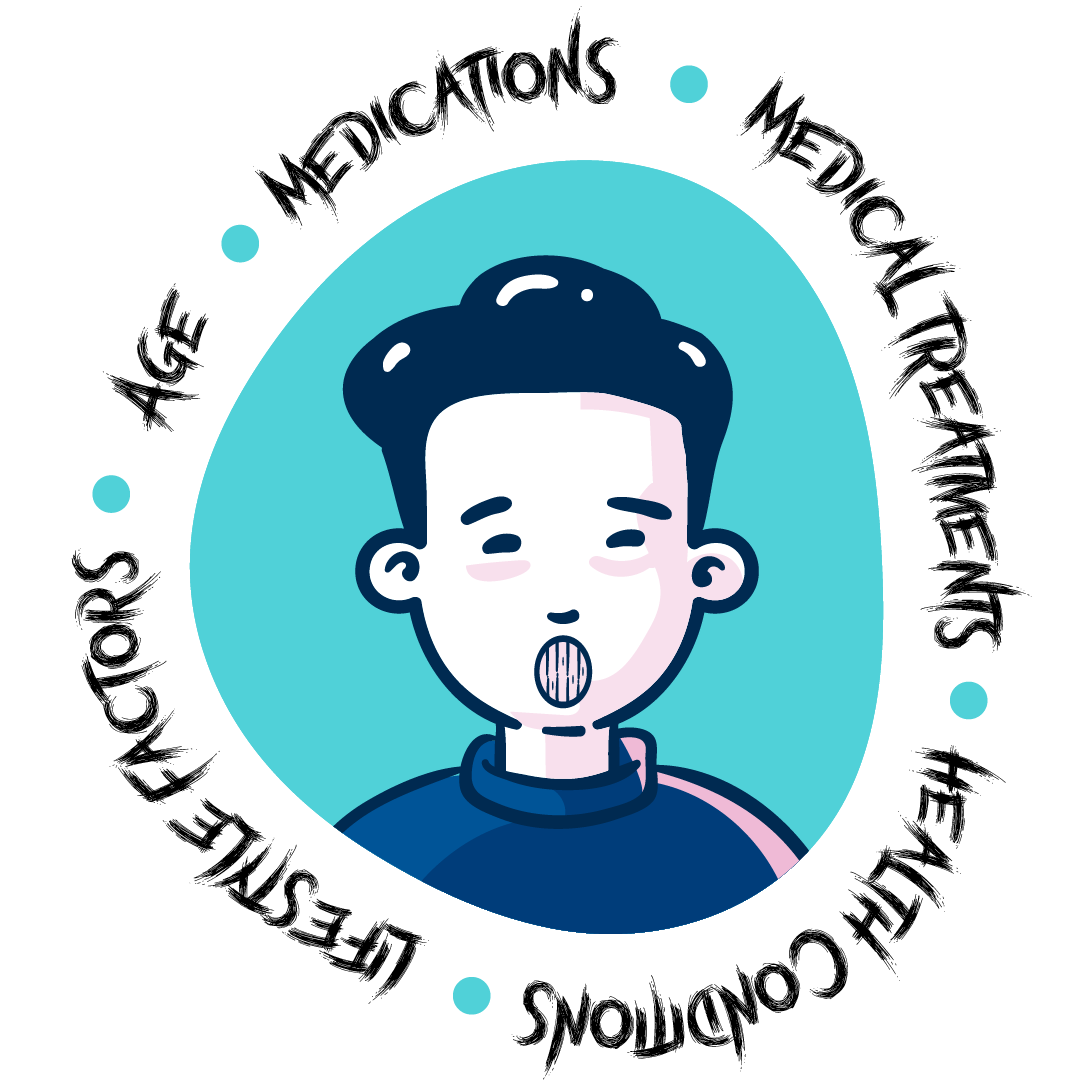
  • Medications: Many prescription and over-the-counter drugs (such as antihistamines, antidepressants, and blood pressure medications) list dry mouth as a side effect.

  • Medical Treatments: People undergoing chemotherapy or radiation therapy, especially for head and neck cancers, are more likely to experience reduced saliva production.

  • Health Conditions: Diabetes, autoimmune diseases like Sjögren’s syndrome, and kidney failure can all contribute to persistent dryness.

  • Lifestyle Factors: Smoking, alcohol, and excessive caffeine can dry out the mouth, as can dehydration or breathing through the mouth during sleep.

  • Age: Salivary flow can naturally decline with age, especially when combined with medication use.

What Does Dry Mouth Feel Like?

Dry Mouth isn’t just “thirst.” Common symptoms include:

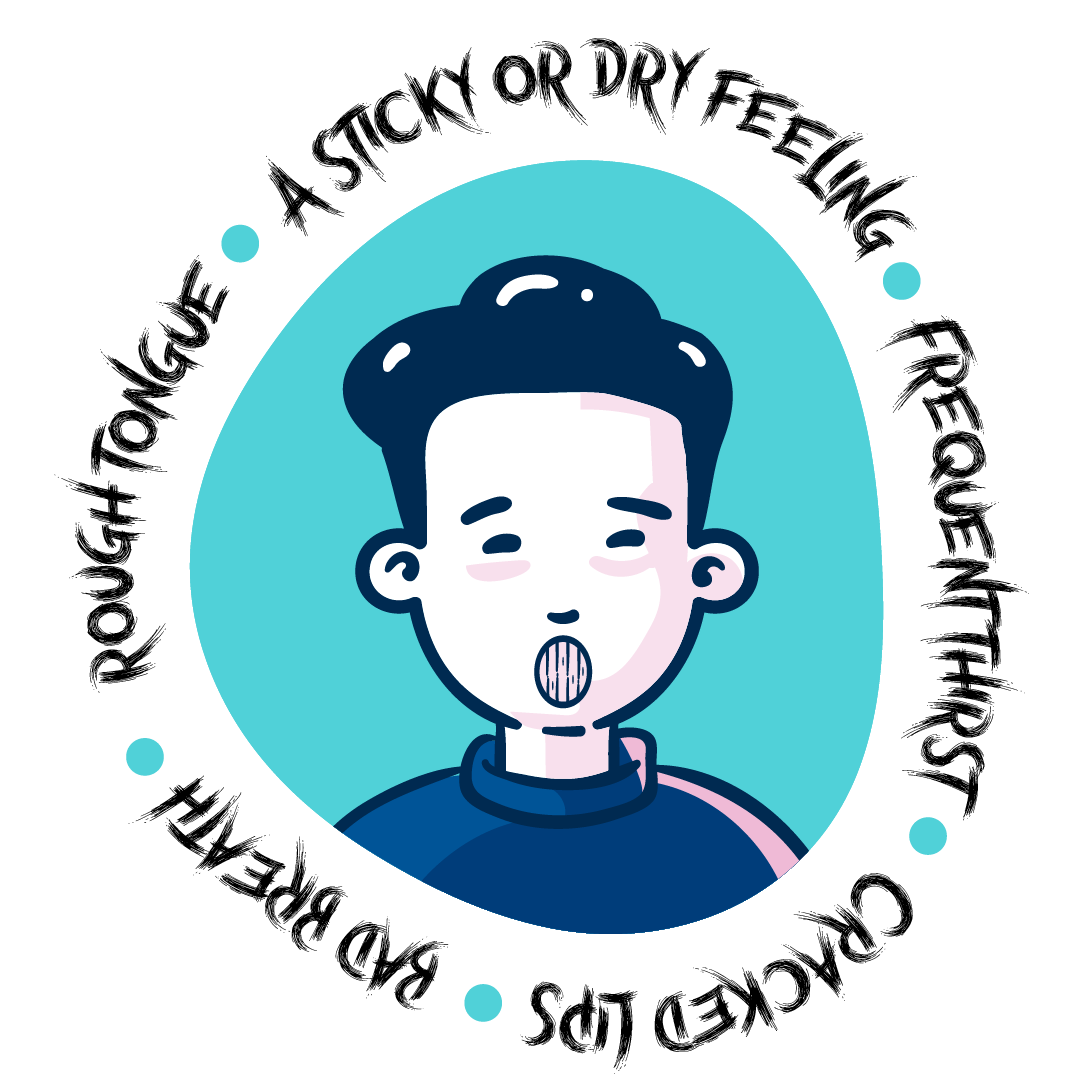
  • A sticky or dry feeling in the mouth or throat

  • Frequent thirst

  • Cracked lips or corners of the mouth

  • Bad breath

  • A dry, rough tongue

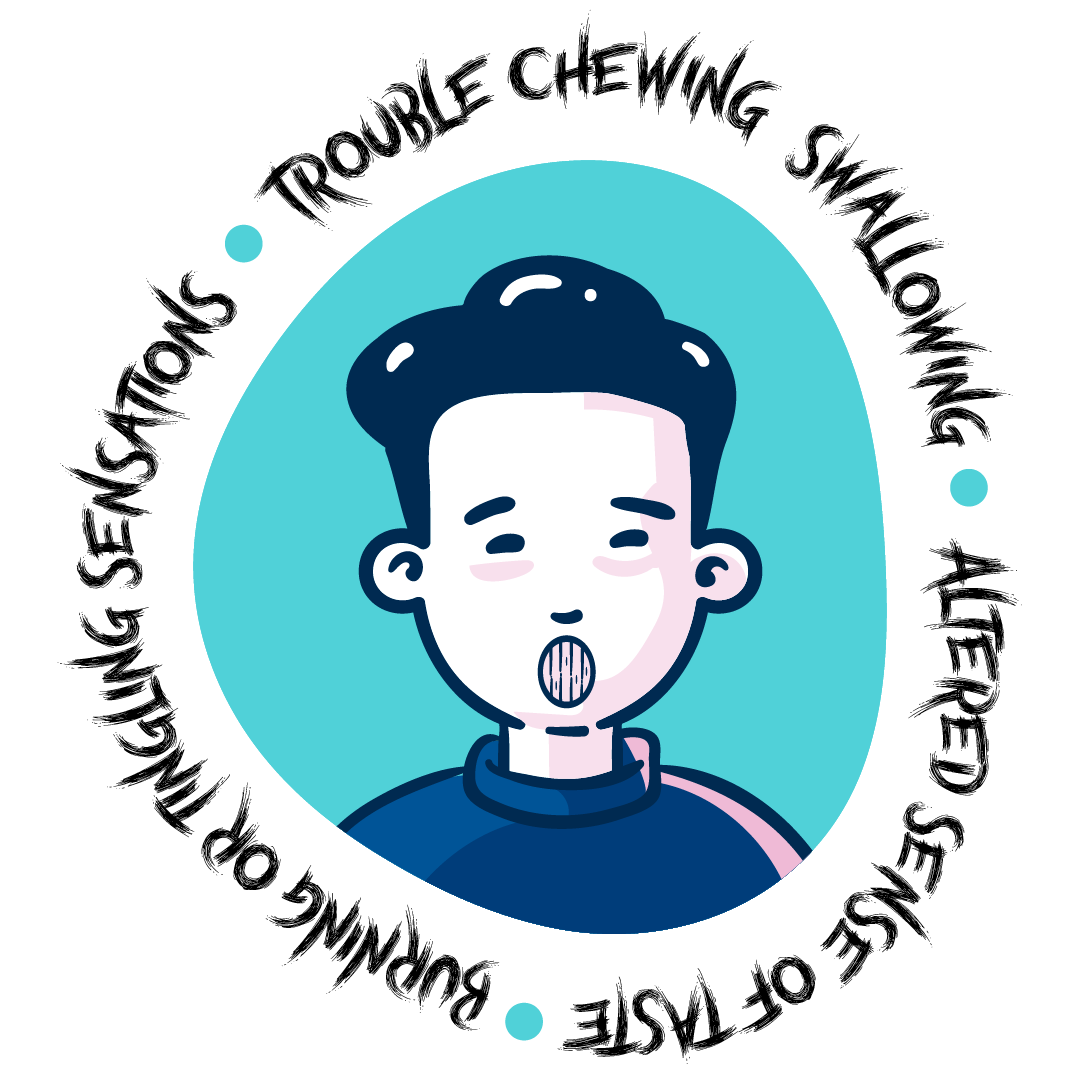
  • Trouble chewing, swallowing, or speaking

  • Altered sense of taste

  • Burning or tingling sensations, especially on the tongue

These symptoms can range from mild to disruptive — and over time, they can increase the risk of cavities, oral infections, and gum disease.

How to Alleviate Dry Mouth?

Managing Dry Mouth often involves a combination of lifestyle changes and symptom relief. Some effective options include:

Contact Us

Let’s know your requirements to serve you better

Name